Skip to content




How Memorial Stones Help With Grief and Healing
Grief Is Personal, and Healing Takes Time
Grief does not follow a timeline. It moves differently for everyone, shaped by love, memory, and the depth of loss. In moments of grief, people often search for something steady — a way to acknowledge what has been lost while continuing forward.
For many families and pet owners, memorial stones become part of that process. They do not remove pain or offer quick answers. Instead, they provide a quiet, lasting presence — something tangible during a time that often feels uncertain.
If you are searching for how memorial stones help with grief and healing, it likely means you are looking for understanding, not solutions. That is where memorial stones often find their place.
Why Grief Often Needs a Physical Place
Loss can feel abstract. Memories live in the heart and mind, but grief can feel overwhelming without a place to pause and reflect.
A memorial stone creates a physical space for remembrance. It gives grief somewhere to rest — even briefly.
People often find comfort in having:
-
A place to visit during moments of reflection
-
A marker that acknowledges the importance of the loss
-
A quiet space that does not demand conversation or explanation
This physical presence can help transform grief from something heavy and unspoken into something gently acknowledged.
Memorial Stones as Anchors During Grief
During grief, routines change and emotions can feel unpredictable. Memorial stones often serve as anchors — steady reminders that love and memory remain even when life feels unsettled.
A memorial stone:
-
Represents permanence when everything feels temporary
-
Offers consistency through changing emotions
-
Becomes a symbol of remembrance rather than loss alone
For many, simply seeing the stone provides reassurance that the person or pet who was lost is still honored and remembered.
How Memorial Stones Support the Healing Process
Healing does not mean forgetting. It means learning how to carry memory alongside daily life. Memorial stones support this process by offering quiet, ongoing connection.
They help with healing by:
-
Encouraging reflection without pressure
-
Allowing grief to be acknowledged rather than avoided
-
Creating moments of calm during emotional days
Unlike temporary memorials, stone remains. This permanence can be comforting, especially for those who worry about memories fading over time.
The Role of Remembrance in Emotional Healing
Remembrance plays a meaningful role in healing. It allows grief to evolve rather than disappear.
Memorial stones support remembrance by:
-
Honoring a life or bond in a respectful way
-
Preserving memory in a tangible form
-
Offering reassurance that love continues beyond loss
This act of remembrance can help people move from acute grief toward a gentler, more reflective form of healing.
Memorial Stones for Loved Ones
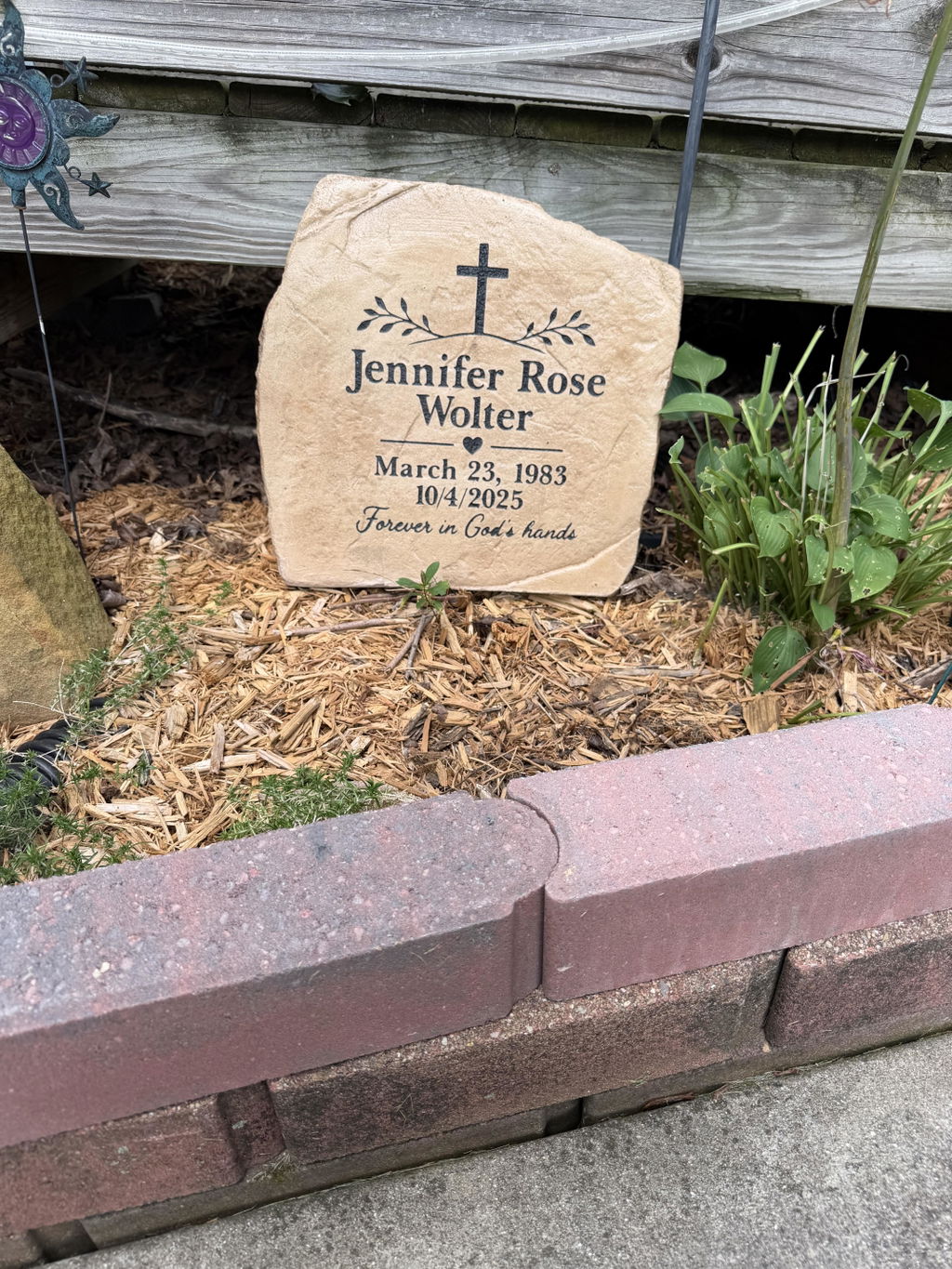
When honoring a family member or close friend, a memorial stone often reflects shared history, love, and connection.
For loved ones, memorial stones may:
-
Represent legacy and lasting influence
-
Provide a place for family members to gather quietly
-
Offer comfort across generations
Some families choose to place memorial stones in gardens or outdoor spaces where life continues to grow — a subtle reminder that memory and life exist together.
Memorial Stones for Pets and Companions
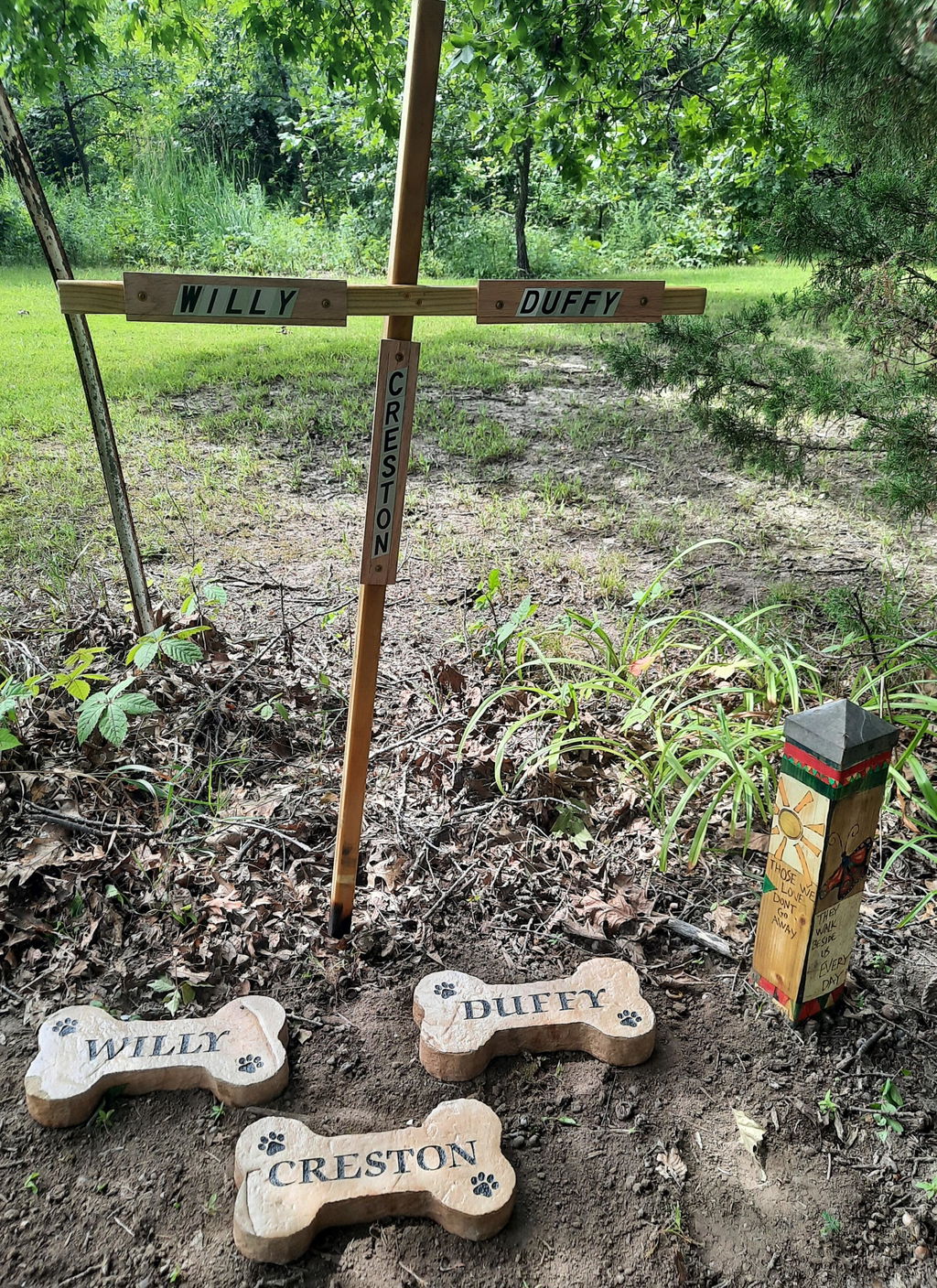
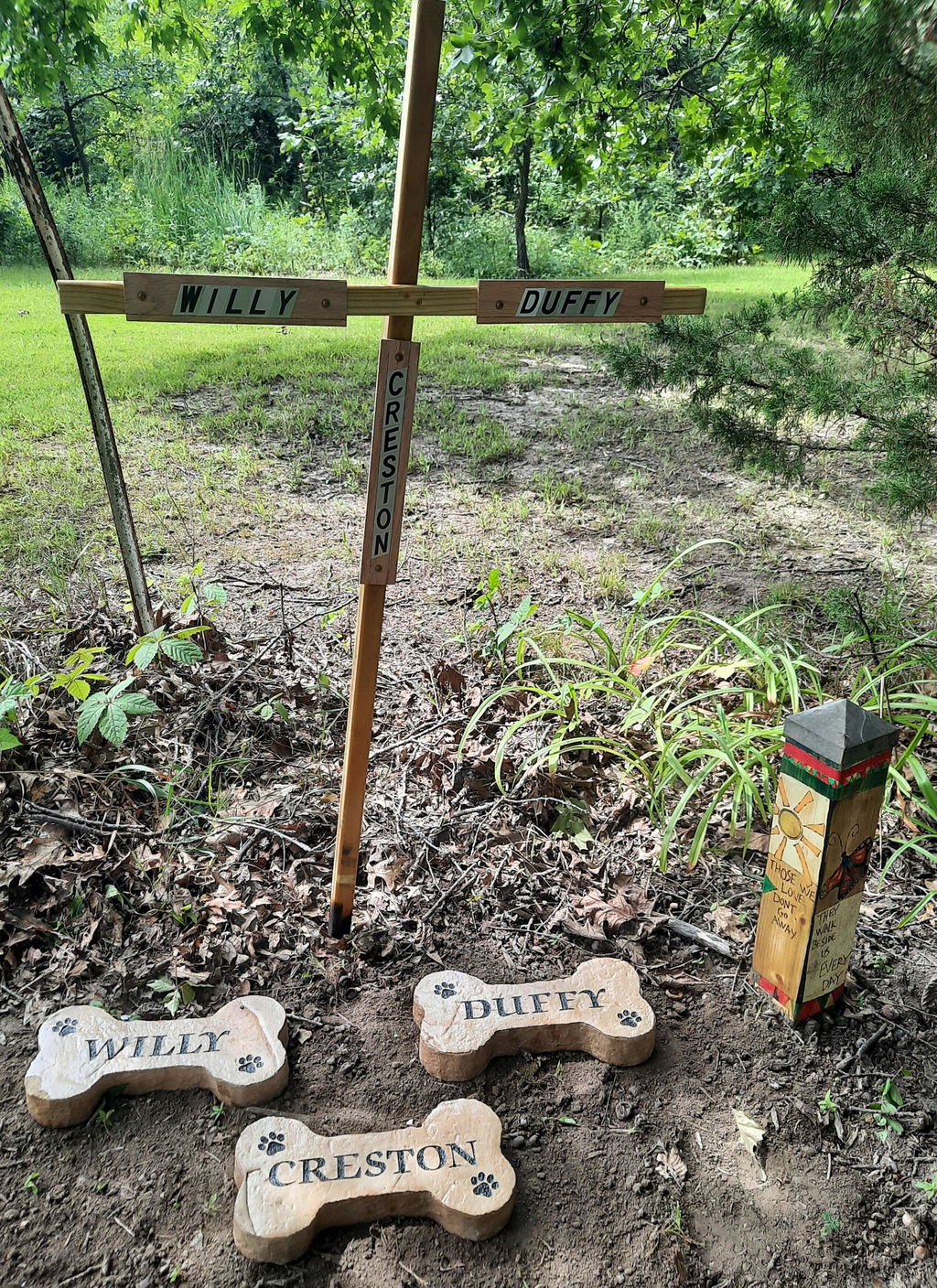
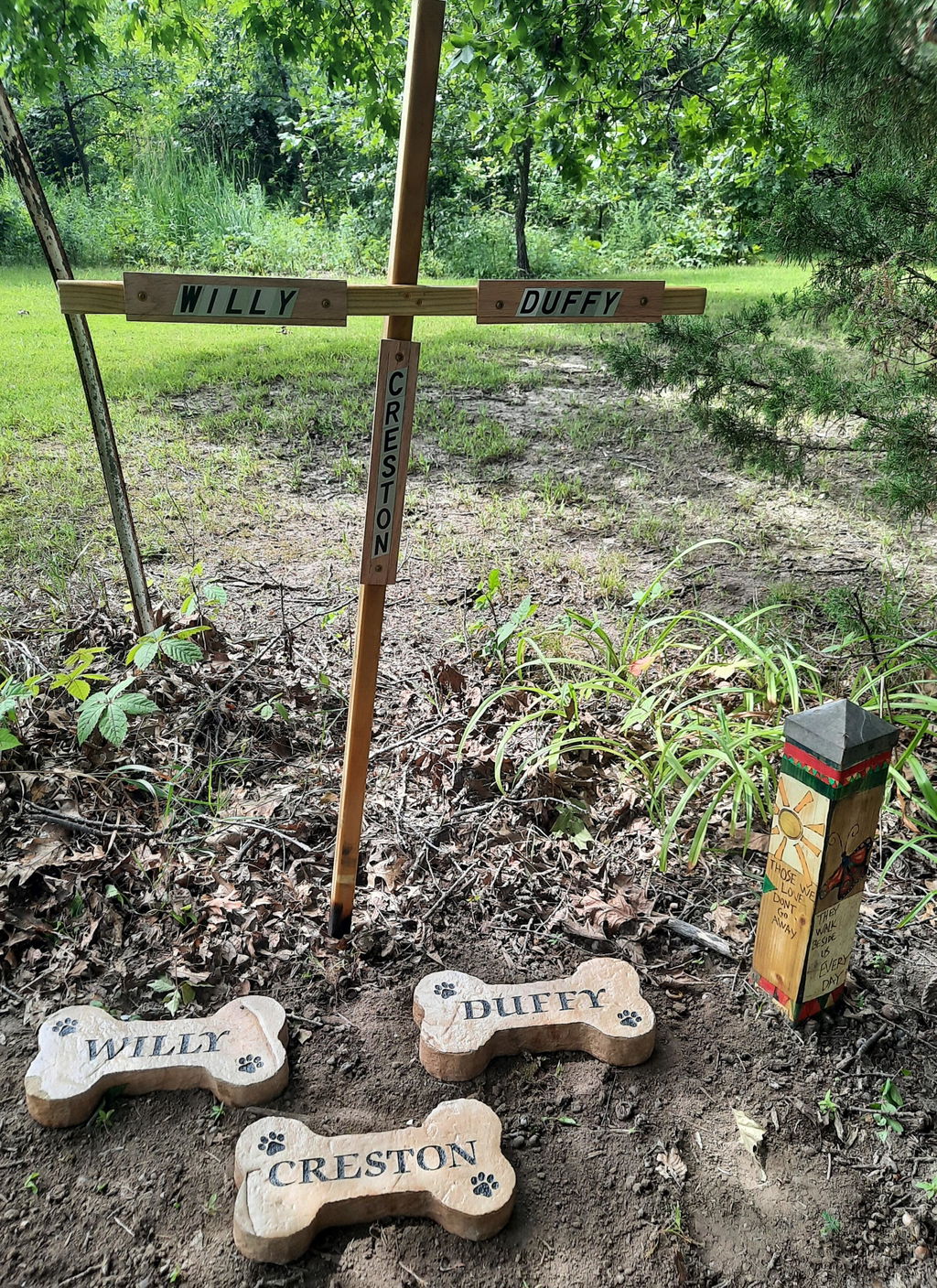
The loss of a pet can be deeply painful. Pets are part of daily routines, emotional comfort, and family life. Their absence is often felt in small, quiet moments.
Pet memorial stones help with healing by:
-
Acknowledging grief that is real and valid
-
Honoring companionship and unconditional love
-
Providing a place to remember shared moments
For many pet owners, a memorial stone helps shift grief into gratitude for the time they shared.
Why Personalization Matters in Healing
Personalized memorial stones often feel more meaningful because they reflect a specific bond rather than a general loss.
Personalization may include:
-
Names or nicknames
-
Dates or years together_toggle
-
Short phrases that reflect love or memory
These details help transform the stone from a marker into a story — one that feels personal and comforting.
The Comfort of Durable, Lasting Materials
Stone has been used for memorials for centuries because it represents endurance. During grief, durability can feel reassuring.
A memorial stone made to last:
-
Remains present through changing seasons
-
Provides long-term reassurance
-
Allows memory to exist beyond the moment of loss
Many families also find peace in choosing memorial stones made in the United States, knowing craftsmanship and care went into creating something meant to endure.
Creating a Memorial Space That Feels Peaceful
Some people choose to build a small space around their memorial stone. This does not need to be elaborate. Simplicity often feels most comforting.
Ideas include:
-
Placing the stone in a garden or quiet corner
-
Surrounding it with natural elements like plants or flowers
-
Keeping the space uncluttered and calm
The goal is not to create obligation, but to provide a place where grief and remembrance feel welcome.
Giving Yourself Permission to Heal Slowly
There is no timeline for grief or healing. Some people choose a memorial stone soon after loss. Others wait months or even years.
Both choices are valid.
A memorial stone does not rush healing. It simply supports it by offering consistency and acknowledgment during an emotional process.
Related Memorial Products & Ideas
If you are exploring remembrance options, these ideas may help guide your choice:
-
Personalized memorial stones
-
Custom engraved memorial stones
-
Pet memorial stones
-
Memorial stones for gardens
-
Outdoor remembrance stones
Healing Through Remembrance, One Moment at a Time
Memorial stones do not remove grief, but they can help soften it. They create space for remembrance, reflection, and quiet healing. Over time, they often become symbols not only of loss, but of love that continues.
Healing does not mean letting go of memory. It means learning how to carry it forward. Memorial stones offer a steady, gentle way to do just that.