Skip to content




Creating a Memorial Garden at Home
A Memorial Garden Can Be a Gentle Place to Remember
After loss, many people look for a quiet way to remember — something personal that offers comfort without needing words. A memorial garden at home can become that place. It provides space for reflection, healing, and remembrance, woven naturally into everyday life.
Creating a memorial garden is not about building something elaborate or perfect. It is about intention. Whether the space is large or small, simple or thoughtfully designed, what matters most is that it feels meaningful to you and honors the person or pet you miss.
A memorial garden allows memory to live alongside growth, offering peace during moments when grief feels close.
Why Memorial Gardens Are Meaningful
Memorial gardens bring remembrance into a living space. Unlike indoor keepsakes, they exist outdoors where seasons change, plants grow, and time continues to move forward.
People create memorial gardens because they:
-
Provide a peaceful place for reflection
-
Offer a private space to remember without formality
-
Allow memory and healing to coexist
-
Feel personal and enduring
Being surrounded by nature can feel grounding during grief. A memorial garden offers calm without expectation.
Choosing the Right Location at Home
The location of your memorial garden sets the tone for how the space feels and how often it is visited.
Common locations include:
-
A backyard or side yard
-
A quiet corner of an existing garden
-
Beneath a meaningful tree
-
Along a path or near a seating area
Some people choose a spot that already feels peaceful. Others create a new space that becomes meaningful over time. There is no requirement for the garden to be visible to others — many memorial gardens are intentionally private.
Starting Small Is Enough
A memorial garden does not need to be large. Even a small space can hold deep meaning.
Small memorial garden ideas include:
-
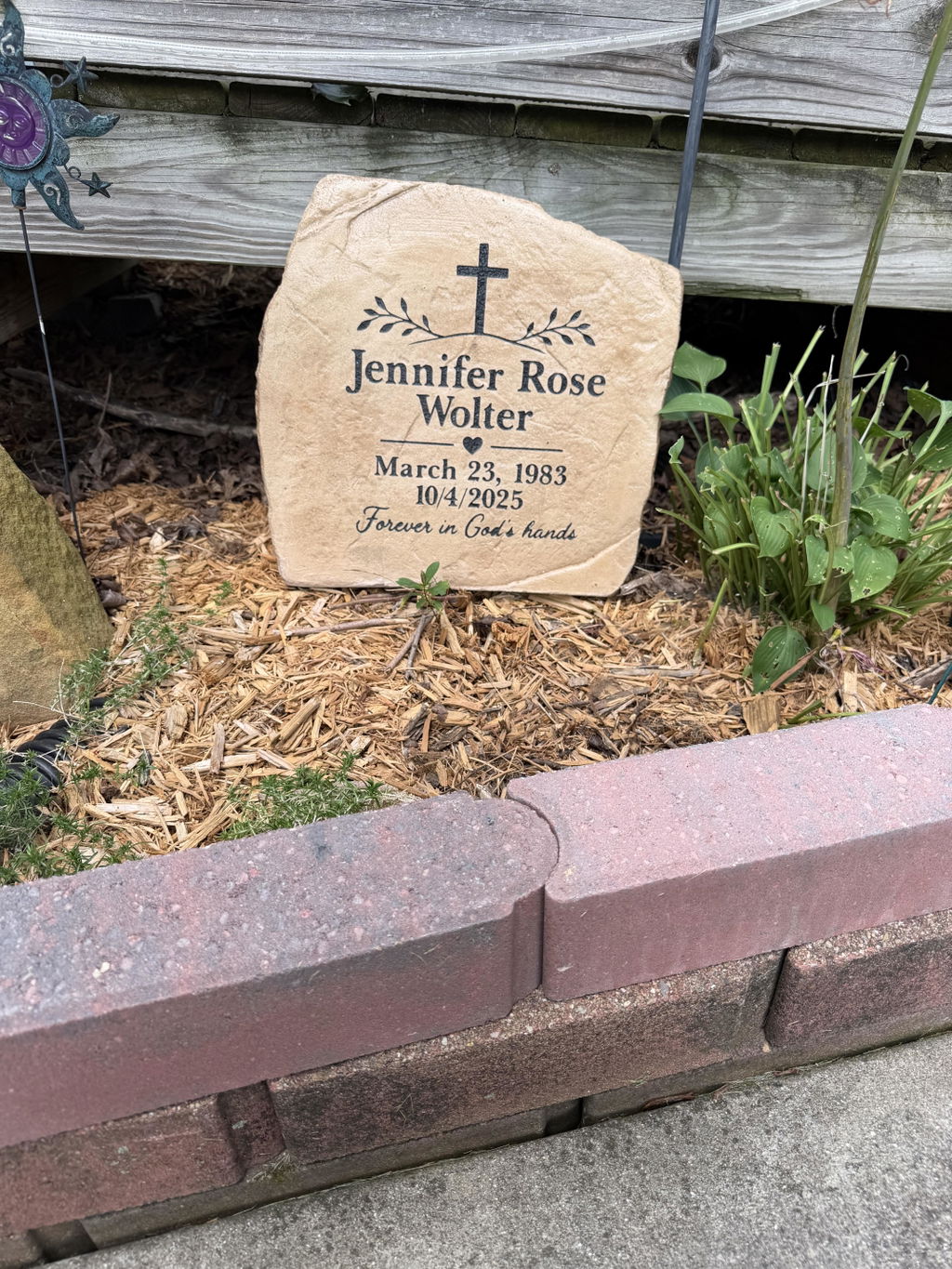
A single planted area with a memorial stone
-
A flower bed dedicated to remembrance
-
A potted plant arrangement on a patio
What matters is not the size, but the intention behind it. Many people find comfort in starting small and allowing the space to grow naturally.
Memorial Stones as the Heart of the Garden
For many families, a memorial stone becomes the anchor of the garden. It provides a lasting focal point that grounds the space and gives memory a physical presence.
Memorial stones in a garden:
-
Create a place to pause and reflect
-
Offer permanence within a living environment
-
Blend naturally with plants and landscaping
Some people place the stone first and design around it. Others create the garden and add the stone when the time feels right. Both approaches are meaningful.
Designing the Garden Around Remembrance
When designing a memorial garden, simplicity often brings the most peace.
Consider design elements such as:
-
Natural stone or mulch paths
-
Low-maintenance plants
-
Gentle borders that define the space
The goal is to create an atmosphere that feels calm rather than busy. Leaving open space allows the garden — and the emotions connected to it — to breathe.
Choosing Plants for a Memorial Garden
Plants bring life and continuity to a memorial garden. Choosing the right ones can help the space feel comforting rather than overwhelming.
Popular memorial garden plant choices include:
-
Perennials that return each year
-
Flowering plants with personal meaning
-
Shrubs or ornamental grasses
-
Native plants that thrive naturally
Some people choose plants that bloom during a meaningful season. Others prefer greenery that remains steady year-round. There is no right choice — only what feels appropriate.
Memorial Gardens for Loved Ones
When creating a memorial garden for a loved one, many people reflect on personality, values, or shared memories.
A memorial garden for a loved one might:
-
Reflect calm and balance
-
Include plants or colors they loved
-
Offer space for quiet reflection
These gardens often become places families visit together, or spaces where individuals find moments of peace on their own.
Memorial Gardens for Pets
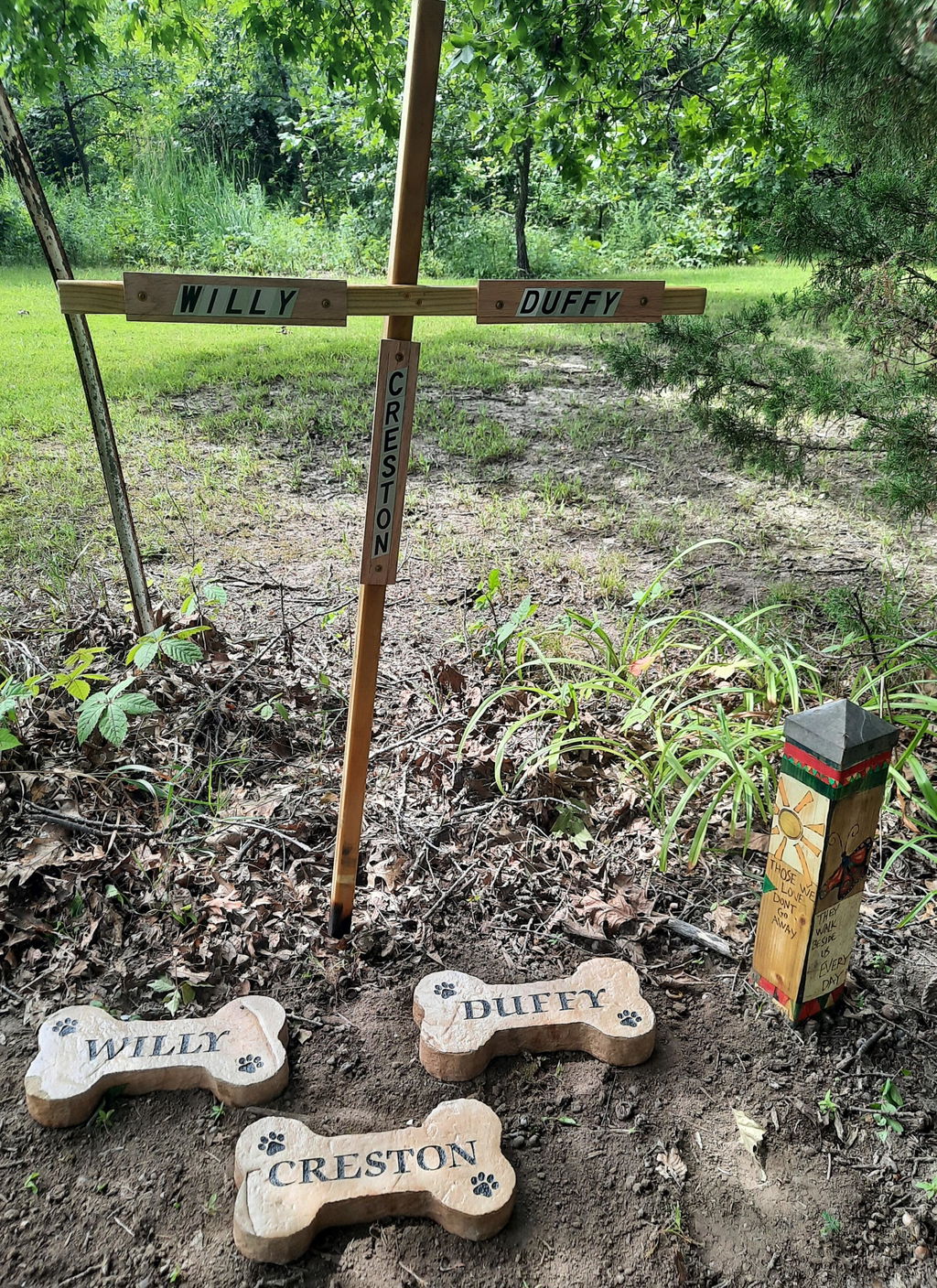
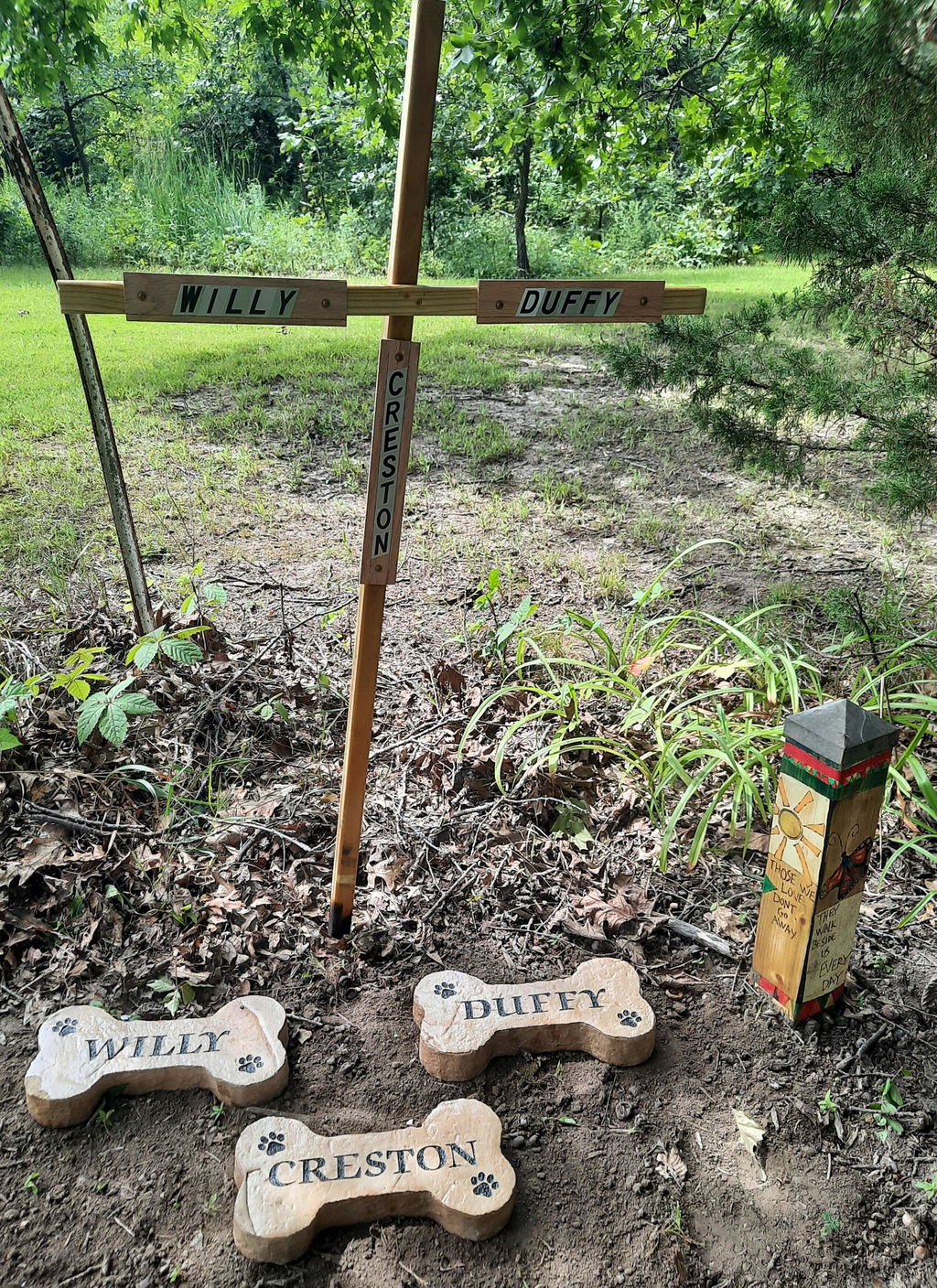
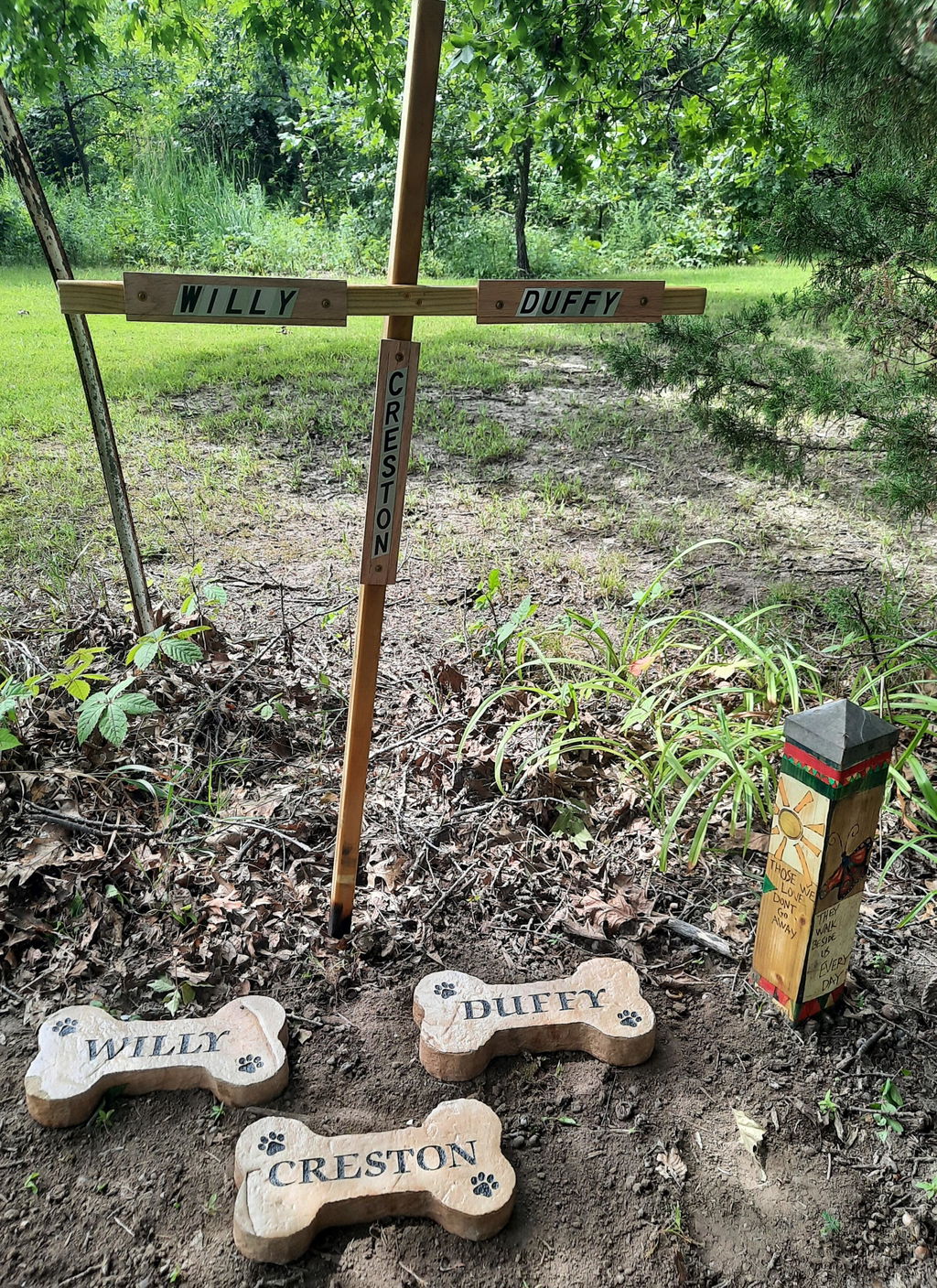
Pet memorial gardens are often deeply personal. Pets are part of daily routines, and their memorial spaces often reflect familiarity and warmth.
Pet memorial garden ideas include:
-
Placing a memorial stone near a favorite spot
-
Creating a small garden in the backyard
-
Using simple plants that feel natural and comforting
Pet memorial gardens do not need to be formal. Often, the most meaningful spaces feel relaxed and familiar.
Creating a Place to Sit and Reflect
Some memorial gardens include a place to sit, while others do not. Seating is optional and should feel comfortable rather than required.
Seating options may include:
-
A small bench
-
A natural stone or ledge
-
A nearby patio chair
The purpose is not to create a destination, but to allow moments of stillness when they feel welcome.
Durability and Long-Term Care
Because memorial gardens exist outdoors, durability matters. Choosing elements that age gracefully can bring reassurance over time.
A well-planned memorial garden:
-
Requires minimal maintenance
-
Evolves naturally with the seasons
-
Remains peaceful rather than demanding
Natural stone is often chosen for memorial elements because it withstands weather and time. Many families also find comfort in choosing memorial stones made in the United States, knowing care and craftsmanship went into something meant to last.
Allowing the Garden to Evolve
A memorial garden does not need to be finished all at once. Many people add to it slowly as healing unfolds.
It is okay to:
-
Change plants over time
-
Add or move elements
-
Let the space grow naturally
The garden can evolve as emotions do. There is no expectation of permanence beyond intention.
Related Memorial Products & Ideas
If you are exploring ways to create or enhance a memorial garden, these ideas may help guide your choices:
-
Memorial stones for gardens
-
Personalized memorial stones
-
Custom engraved memorial stones
-
Pet memorial stones
-
Outdoor remembrance stones
A Living Space for Memory and Healing
Creating a memorial garden at home is a deeply personal act. It does not need to follow rules or expectations. What matters most is that it feels peaceful and meaningful to you.
Over time, a memorial garden often becomes more than a place of remembrance. It becomes a space where memory, healing, and love exist together — quietly, naturally, and with care.